2026 Social Justice Curriculum Fair

WORKSHOPS | TABLING ORGANIZATIONS
This event gave D.C. area educators an opportunity to connect in person while exploring curriculum aligned with various social justice themes. Coordinated in partnership with DCAESJ working groups, the fair featured classroom resources from the Zinn Education Project and Social Justice Books, and was designed for pre-K-12 educators. Attendees also had the opportunity to network with D.C. area education organizations at exhibit tables.
All attendees received professional development credits and a free book! Our appreciation to Inspired Teaching Demonstration School for generously hosting this event for a fourth year.
Workshops
The Echoes of Activism: Using Oral History Interviews to Craft a Lesson Plan
Justice in Action: Equipping Students to Reimagine Democracy
Lessons from SNCC for Organizing Today: Women & Gender in the Civil Rights Movement
Teaching Youth Activism: Inspiring Young People through Dialogue
"We Want to Free DC From Our Enemies": Teaching about DC Home Rule
Who Gets Access? Who Pays the Price? AI, Disability Justice, and Data Centers
Beyond the Bookshelf: Sourcing, Fact-Checking, and Selecting Nonfiction Texts for Justice-Centered Classrooms
SUBJECTS: English Language Arts, History, Science, Arts Education
GRADE LEVELS: Lower Elementary, Upper Elementary, Middle School, High School, Adult Education
This workshop explored what made a nonfiction text trustworthy — and worth students' time. In a moment of book bans, misinformation, and sanitized curricula, the stakes of text selection had never been higher. The session pulled back the curtain on ReadWorks' own editorial process for sourcing and fact-checking culturally relevant, historically accurate nonfiction, and invited educators to adapt those practices for their own classrooms.
Participants left with a concrete set of guiding questions for evaluating nonfiction texts — grounded in principles of representation, accuracy, and equity — that they could use immediately in text selection and teach to students as critical readers.
Presenter Bios
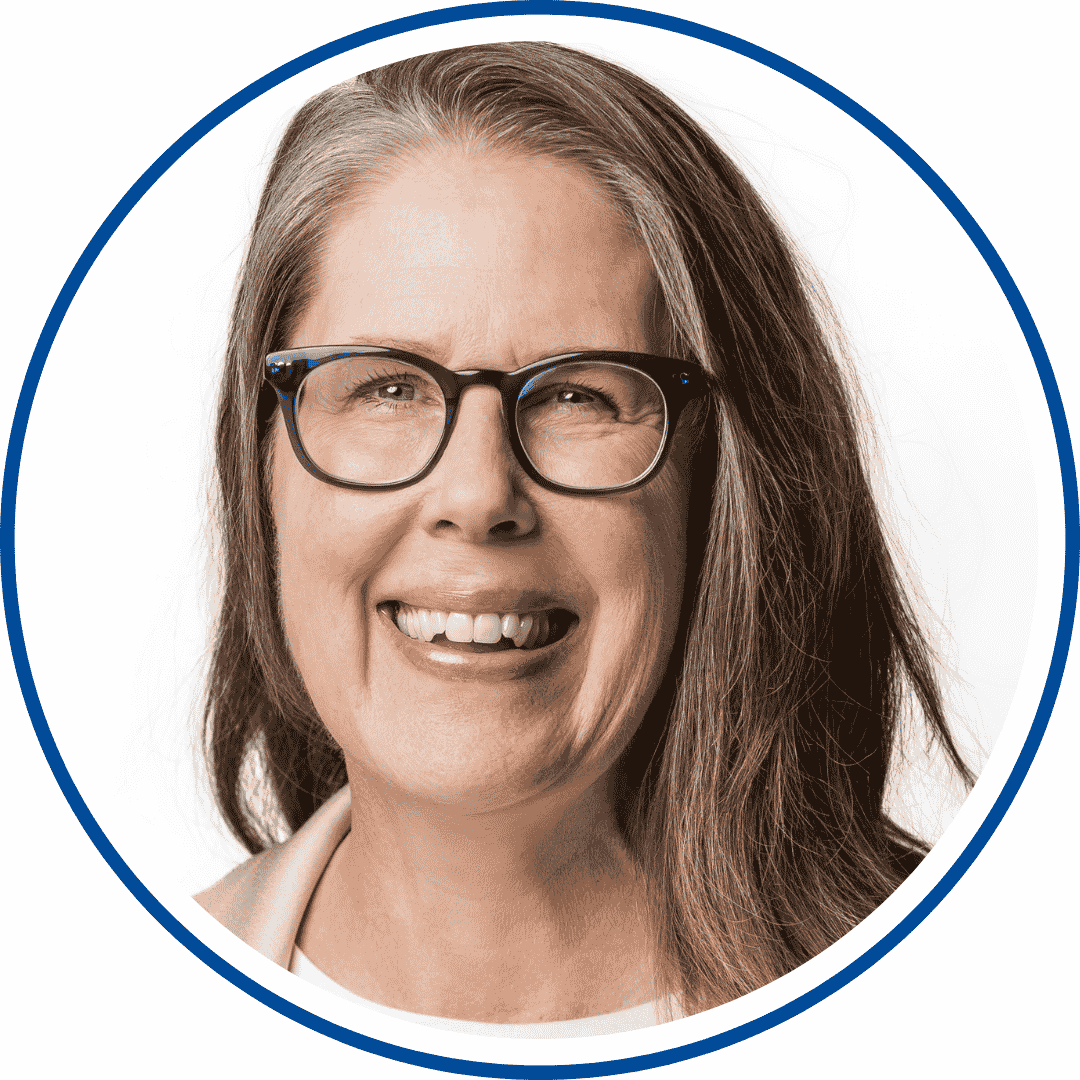
Susanne Nobles has spent her career working to empower educators and students with research, structures, and tools for meaningful and effective learning. After a 20+-year career as a middle and high school English teacher and administrator, she now leads all things pedagogical and teacher-focused at the nonprofit ReadWorks, bringing research-backed free ELA resources to hundreds of thousands of educators every year. Susanne is also an instructional coach for career-changers and has been an adjunct instructor with Relay Graduate School of Education. Her Ph.D. research focused on creating effective digital communities of practice.
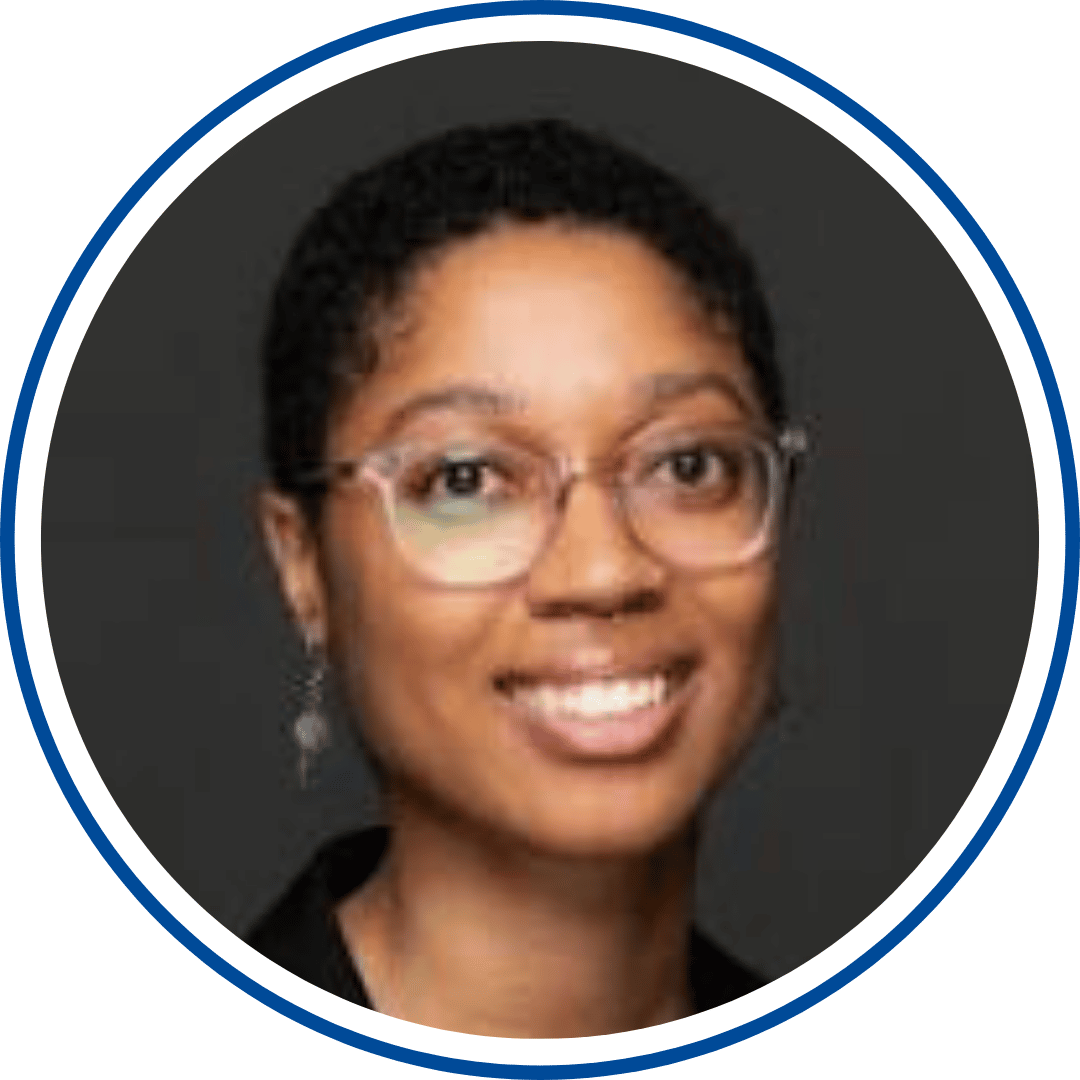
Paola Yuli is an English Ph.D. candidate at Howard University, specializing in Caribbean literature. In her pedagogical training, she has been a graduate instructor at Howard, a writing coach for undergraduate and graduate students, and a private English Tutor for K-12 students. In her fourth year at ReadWorks, she supports the development and publishing of ReadWorks passages in our library. Paola strongly believes in the power of education and in making learning materials free and accessible. She graduated from Barnard College with a BA in English.
Bring Social Justice To Your Elementary Math Curriculum
SUBJECTS: Mathematics
GRADE LEVELS: Lower Elementary, Upper Elementary
Have you ever wondered how to bring more social justice into your math curriculum? Math is rich with opportunities to engage students with the real world and issues of equity and fairness. This work session presented a framework for revising school math curriculum to include topics of social justice. The session shared an example unit and provided time for attendees to work — on their own or with teachers of similar content — to add social justice content to their own curriculum.
Presenter Bio
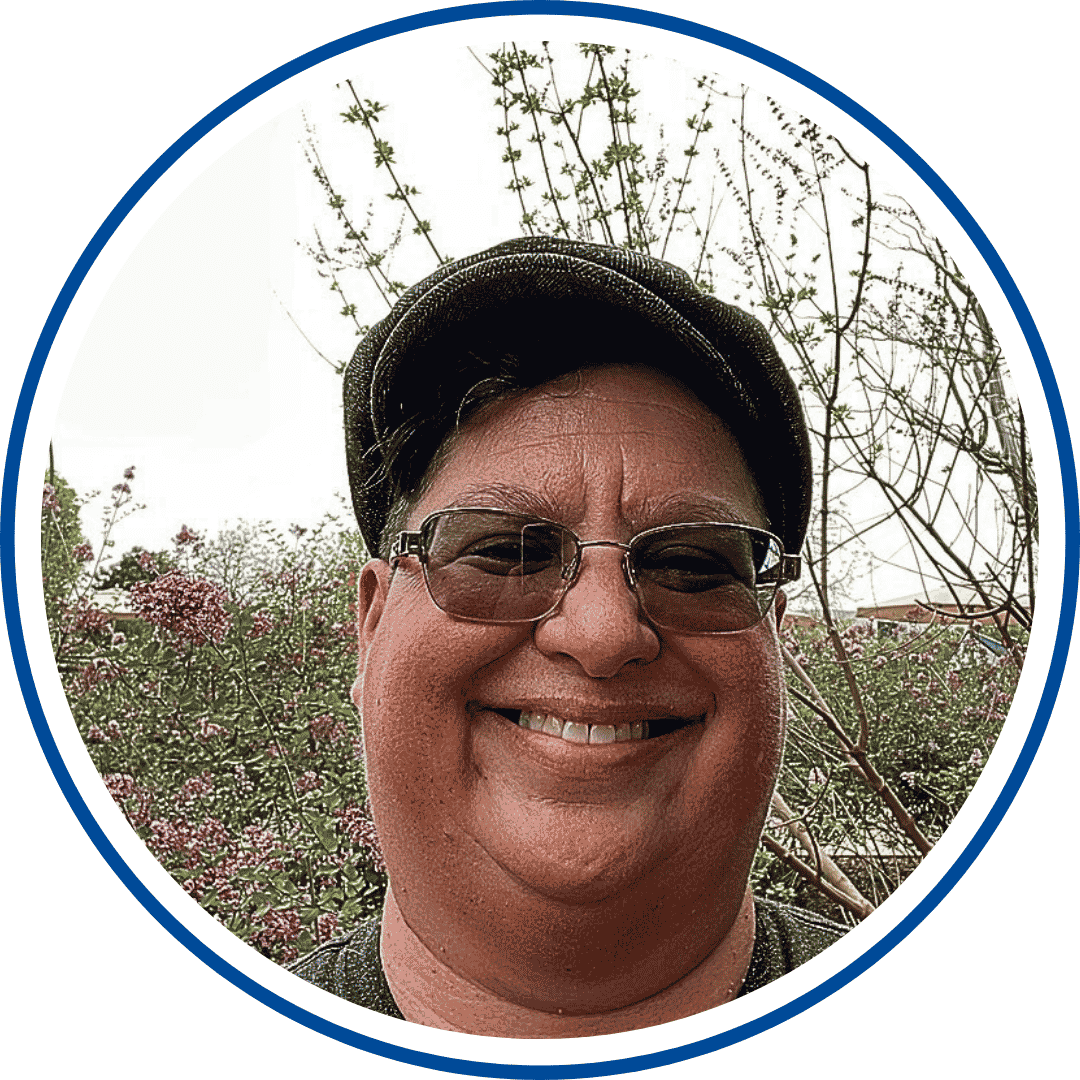
Vinny Prell (she/he) grew up in an interfaith interracial family in Los Angeles. More a fan of politics than movies, she moved to DC in 2006. He has dedicated nearly 20 years to anti-oppression work, including serving as the Executive Director of NUJLS, the National Union of Jewish LGBTQQI Students. Currently she spends time discussing racism, xenophobia, poverty, and Jewish values with ten year olds, at Milton Gottesman Jewish Day School. She has BAs in Literature and the Study of Race and Racism as well as an MA in Minority and Urban Education. Vinny enjoys crocheting, geocaching, playing ukulele, cooking (shows), growing vegetables, playing with kitties.
The Echoes of Activism: Using Oral History Interviews to Craft a Lesson Plan
SUBJECTS: Social Studies
GRADE LEVELS: Early Childhood, Lower Elementary, Upper Elementary, Middle School
This workshop introduced educators to oral history as a powerful tool for social justice education. In this 50-minute interactive session, participants engaged with excerpts from the Mind, Body, and Justice Oral History Project and other DC-based archives. Through guided deep listening, attendees examined themes of community care and resilience, and explored how to translate these narratives into culturally responsive, student-centered lesson plans that uplift local voices and histories.
Presenter Bio
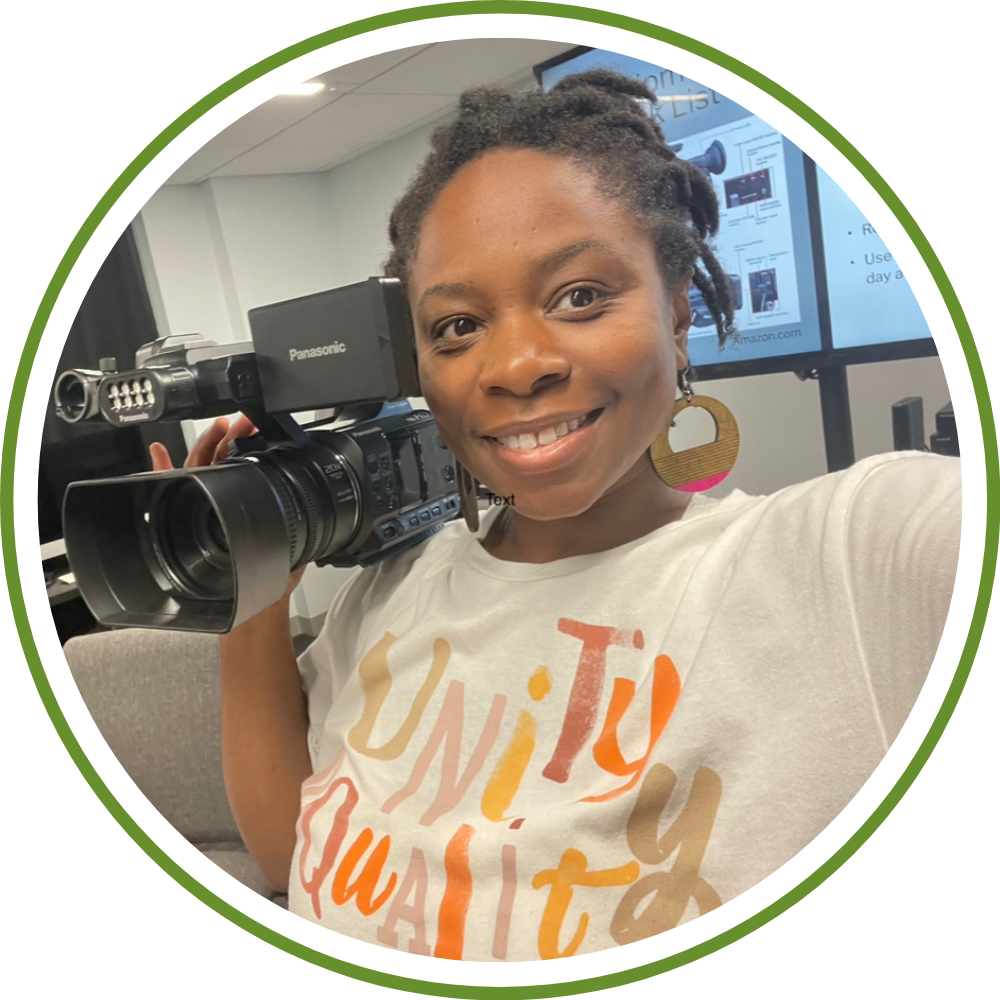
Sari Leigh (she/her), aka the Anacostia Yogi, is a health advocate, education administrator and digital media activist living east of the Anacostia River in Washington, D.C. Sari Leigh teaches wellness classes and germinates creative projects that advocate for equitable health and wellness access for residents east of the Anacostia River. Sari recently completed the Mind, Body and Justice Project and the DC Superhero documentary about wellness and activism in Washington, D.C.
Jubilee: Using Reader's Theater Across the Curriculum
SUBJECTS: English Language Arts, History, Science, Mathematics, Arts Education
GRADE LEVELS: Upper Elementary, Middle School, High School
This was an interactive, cross-curricular session. Reader's Theater is a collaborative reading strategy in which participants read from scripts aloud, using voice, expression, and minimal movement to bring a text to life — without the need for costumes, sets, or memorization. Participants read, moved, and discussed how to use Reader's Theater in a meaningful way in the classroom. Attention was given to teaching hard history in a respectful yet truthful manner.
Presenter Bio
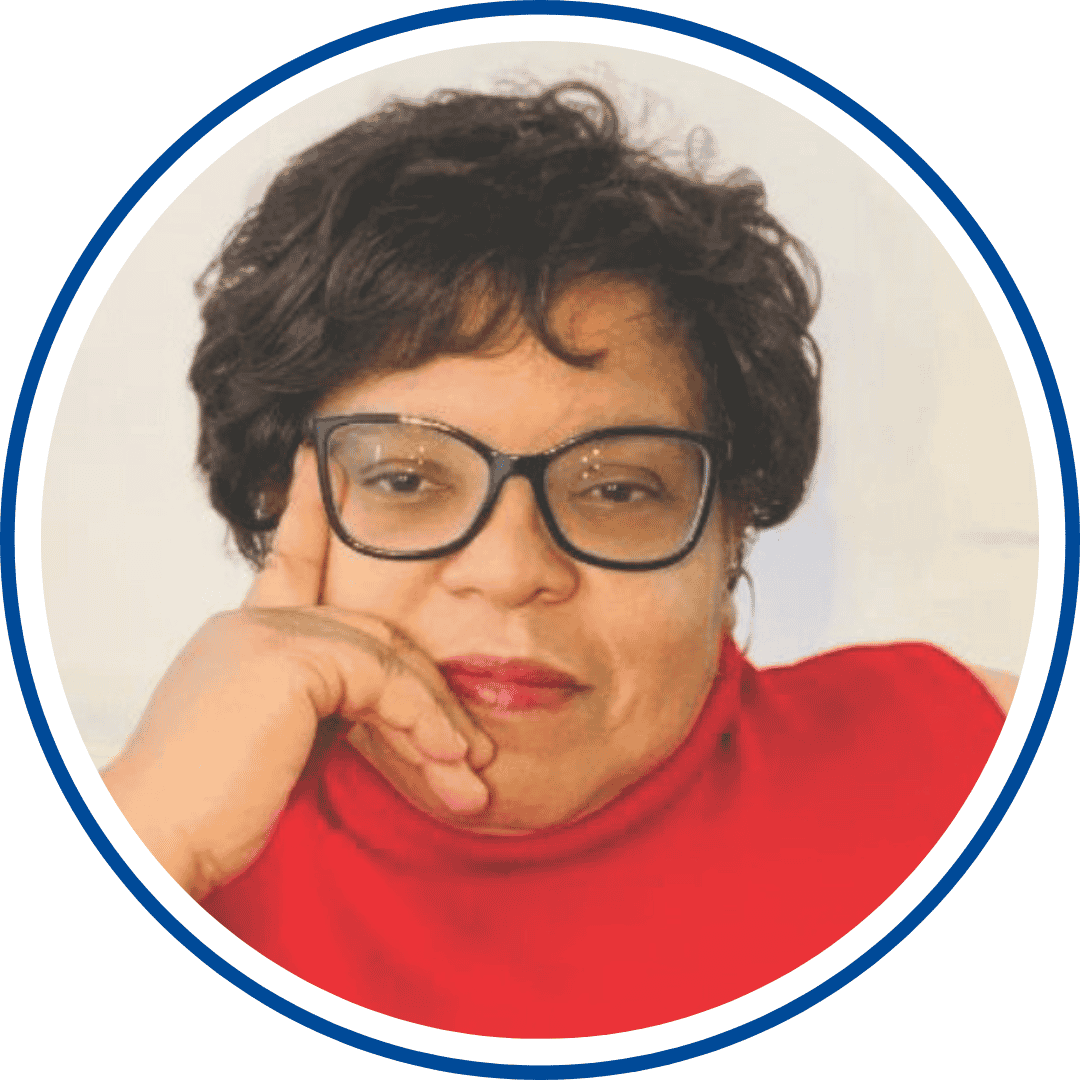
Anne Smith (she/her) is a Teacher of Music in Alexandria, Virginia. She is a published author, poet, playwright, and composer. She serves as an Equity Liaison, New Teacher Mentor and is an active national clinician. Dr. Smith is a member of the DCAESJ , the DEI Council of the Virginia Music Educator's Association and the Arlington County MLK Tribute Planning Committee.
Justice in Action: Equipping Students to Reimagine Democracy
From Democracy Action Cards to Real-World Student Civic Power
SUBJECTS: History
GRADE LEVELS: High School
In this workshop, educators explored strategies to empower students as active participants in democracy and social justice. Using the Democracy Action Card, participants learned how to spark critical inquiry and connect classroom learning to real-world civic action. The session emphasized centering student voice and lived experience, guiding educators in designing lessons and projects that encourage youth to challenge injustice and envision a more equitable society. Through discussion and hands-on activities, participants gained practical tools to embed anti-racist, justice-focused civic learning in their classrooms, leaving inspired to support students as agents of change in their communities.
Presenter Bio
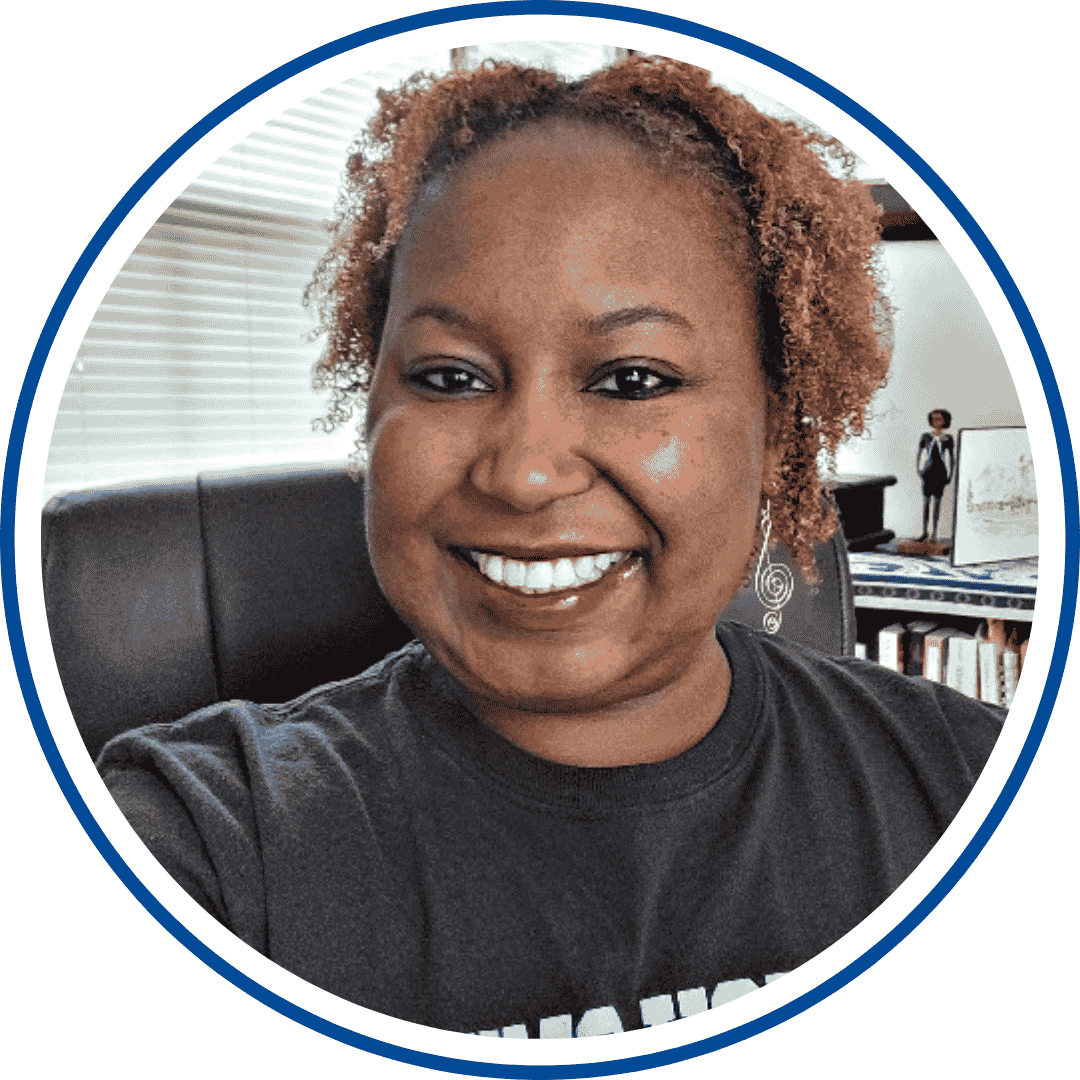
Dr. Shelina Warren (she/her) is an Army veteran and social studies educator with 22 years of experience. Currently in her tenth year at Dunbar High School in Washington, DC, she teaches Constitutional Law, Law & Justice Advocacy, Youth Justice, and Human Rights and Social Action. Dr. Warren is also the director of the Eleanor Holmes Norton Law and Public Policy Academy, fostering student voices for change. She holds multiple degrees, including a Doctorate in Urban Leadership from Johns Hopkins University. Dr. Warren is a National Board Certified teacher, with numerous awards such as the 2022 American Civic Education Teacher Award and the 2021 DC Teacher of the Year Finalist. Before moving to DC, she taught high school Civics, Economics, and gifted K-6 students in Arkansas.
Lessons from SNCC for Organizing Today: Women & Gender in the Civil Rights Movement
SUBJECTS: History
GRADE LEVELS: Middle School, High School, Adult Education
The Student Nonviolent Coordinating Committee (SNCC), founded by college students in April 1960, quickly became a driving force of the Civil Rights Movement through direct action, voter registration, and party-building, based in Atlanta where co-facilitator Judy Richardson worked; the organization was notable for outpacing comparable groups in women's equality and inclusive leadership, later inspiring movements like women's liberation. This hands-on session introduced participants to a Toolkit on Women & Gender in SNCC, developed in conjunction with the SNCC Digital Gateway, using document analysis, oral history, and archival photographs to explore how gender shaped the organization. Facilitators guided participants through the free, downloadable 16–22-page toolkit — one in a series designed for use in K-12, academic, or community and activist settings — highlighting SNCC's continued relevance as a model for progressive organizing rooted in developing leadership in everyone.
Presenter Bios
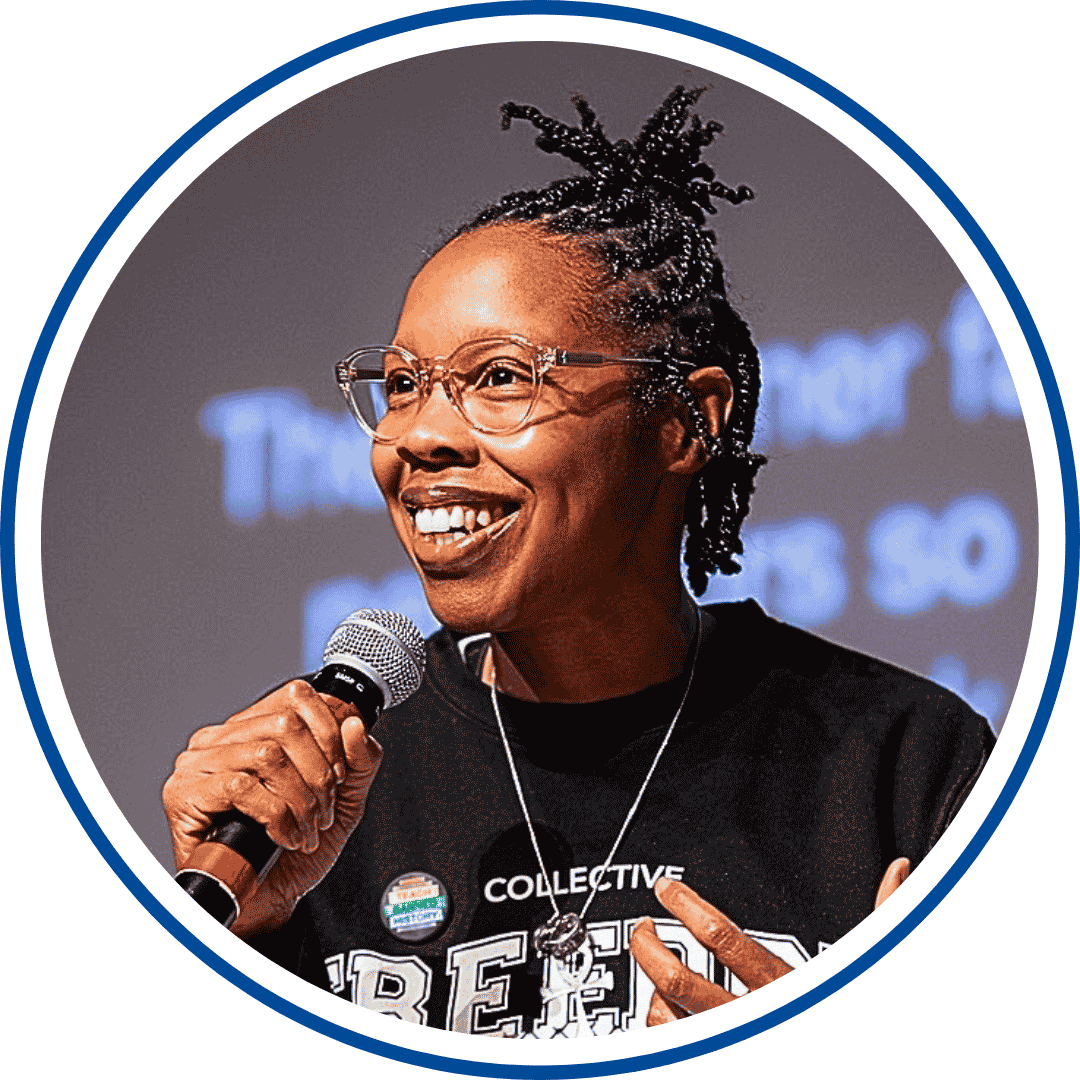
Jessica “Jess” A. Rucker (she/youngin’) is a doctoral student in the Department of American Studies at the University of Maryland, College Park where she is studying Black radicalisms. She is also a 2022-2023 Prentiss Charney Fellow. Prior to Jess’s graduate work, she was a DC high school social studies teacher, department chair, and instructional coach, as well as a participant in the 2018 National Endowment for the Humanities Summer Teacher Institute at Duke University. She has also previously volunteered as a docent at both the National Museum of African American History and Culture and the National Museum of American History. Jess resides in her home city, the U.S. colony of Washington, D.C., on the unceded ancestral lands of the Nacotchtank, with her loving partner.
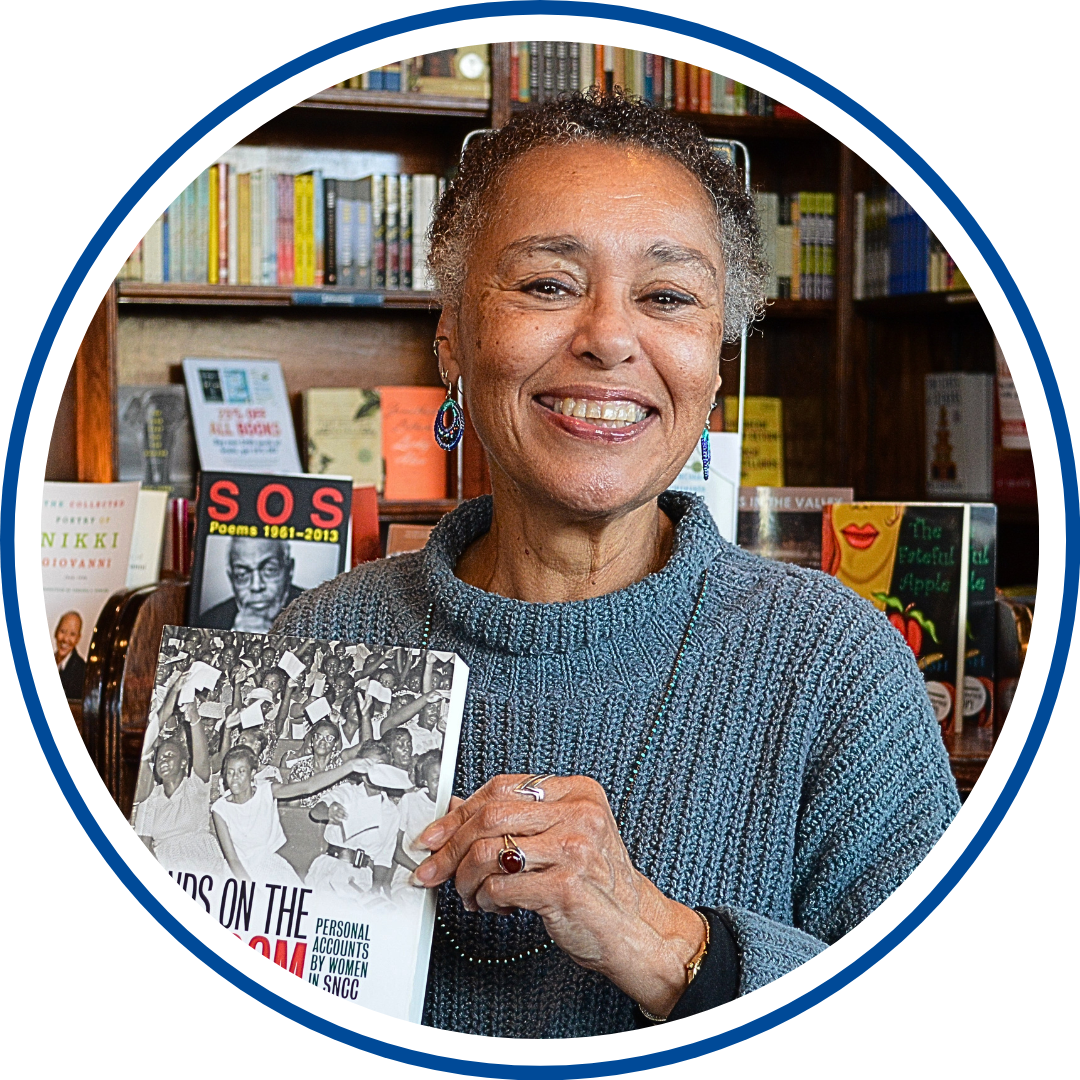
Judy Richardson was on SNCC staff in Georgia, Mississippi, and Alabama. Her experiences in SNCC continue to ground both her film and education work. She recently co-directed the new visitor center film for the National Park Service’s Frederick Douglass House in Washington, D.C. In 1968, she was a co-founder of Drum & Spear Bookstore, once the country’s largest African American Bookstore. She was on the production team for all 14 hours of the seminal PBS series, Eyes on the Prize, as its series associate producer, then its education director, and then continued to produce documentaries for PBS, the History Channel, and museums. She co-edited Hands on the Freedom Plow: Personal Accounts by Women in SNCC, a compilation of the testimonies of 52 SNCC women. She is a member of the SNCC Legacy Project board, was a Visiting Professor at Brown University, and has an honorary doctorate from Swarthmore College.
Teaching Youth Activism: Inspiring Young People through Dialogue
SUBJECTS: History
GRADE LEVELS: Middle School, High School
This session focused on creating youth activism lessons that inspired and empowered students. Participants used the examples of the Children's March, East Los Angeles Walkouts, and present-day youth activism to frame how to teach youth activism and how to make these topics most engaging for learners. All lesson materials kept in mind diverse learners, such as English Language Learners, students with literacy needs, and learners of all engagement levels. Participants discussed recent examples of youth activism, like ICE walkouts, and how to include discussions of these in their units. Participants also created a plan for using the youth activism materials in a purposeful way in their classrooms, and crafted and shared an essential question for their mini unit with their small groups.
Presenter Bio
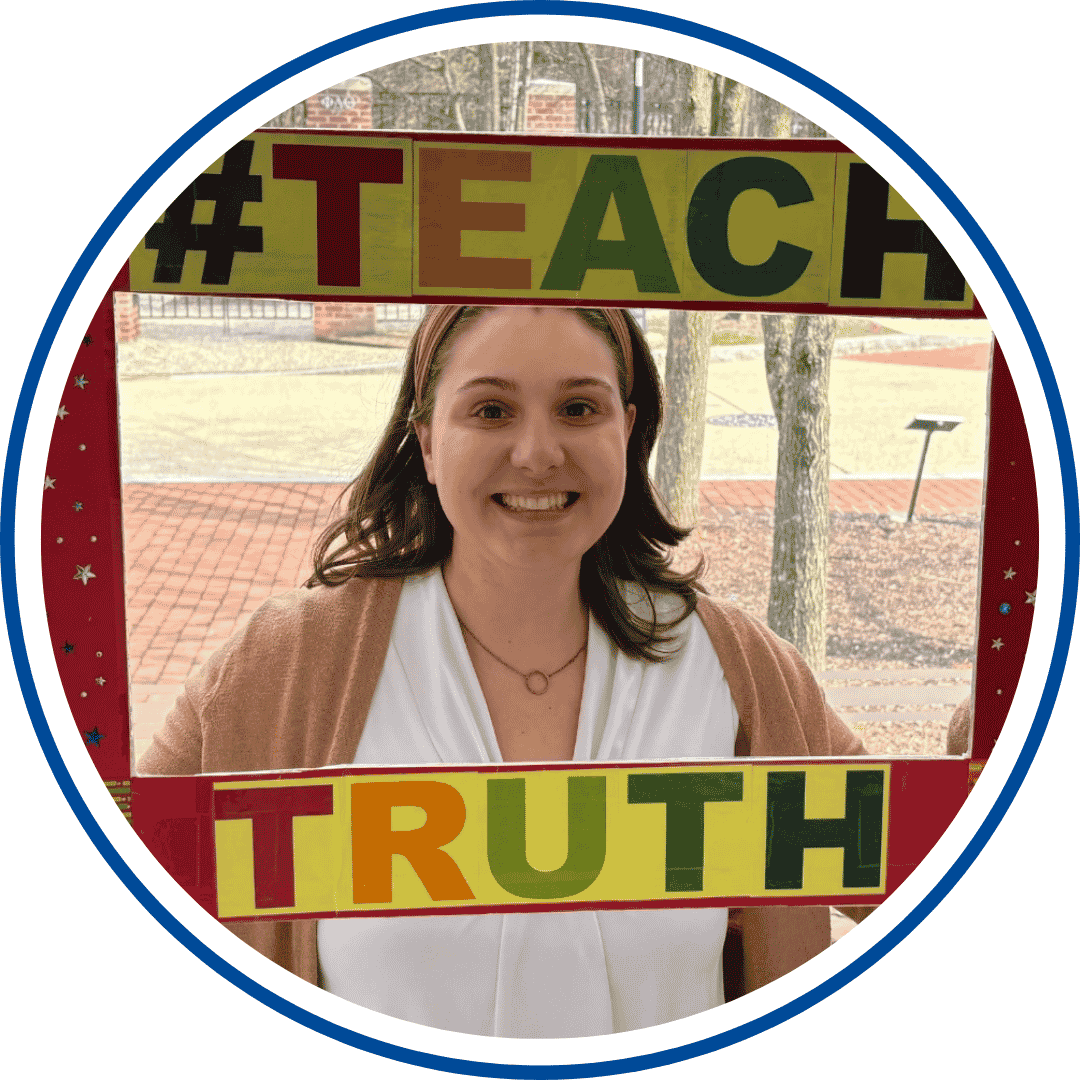
Amber Myren is a Social Studies Teacher at Richard Montgomery High School in MCPS. She is passionate about social justice and embeds this passion into all her U.S. History lessons for her students. Amber thinks the best PD is talking and creating with other classroom teachers and is excited to connect with other educators.
Uncovering Marginalized Histories in the Archive
SUBJECTS: History
GRADE LEVELS: Middle School, High School, Adult Education
This workshop explored approaches to uncovering marginalized histories in archives. It introduced the concepts of archival silencing — the suppression of certain voices from the mainstream record — and reparative archiving — acknowledging these failures and engaging in conscious actions toward wholeness — through a brief presentation. Participants then dove into the archival material. After a quick training on how to handle and examine items, participants looked through documents from the University Archives, searching for evidence of marginalized narratives. The workshop centered on archival dissent: rejecting the dominant paradigm and resisting silence.
Presenter Bio
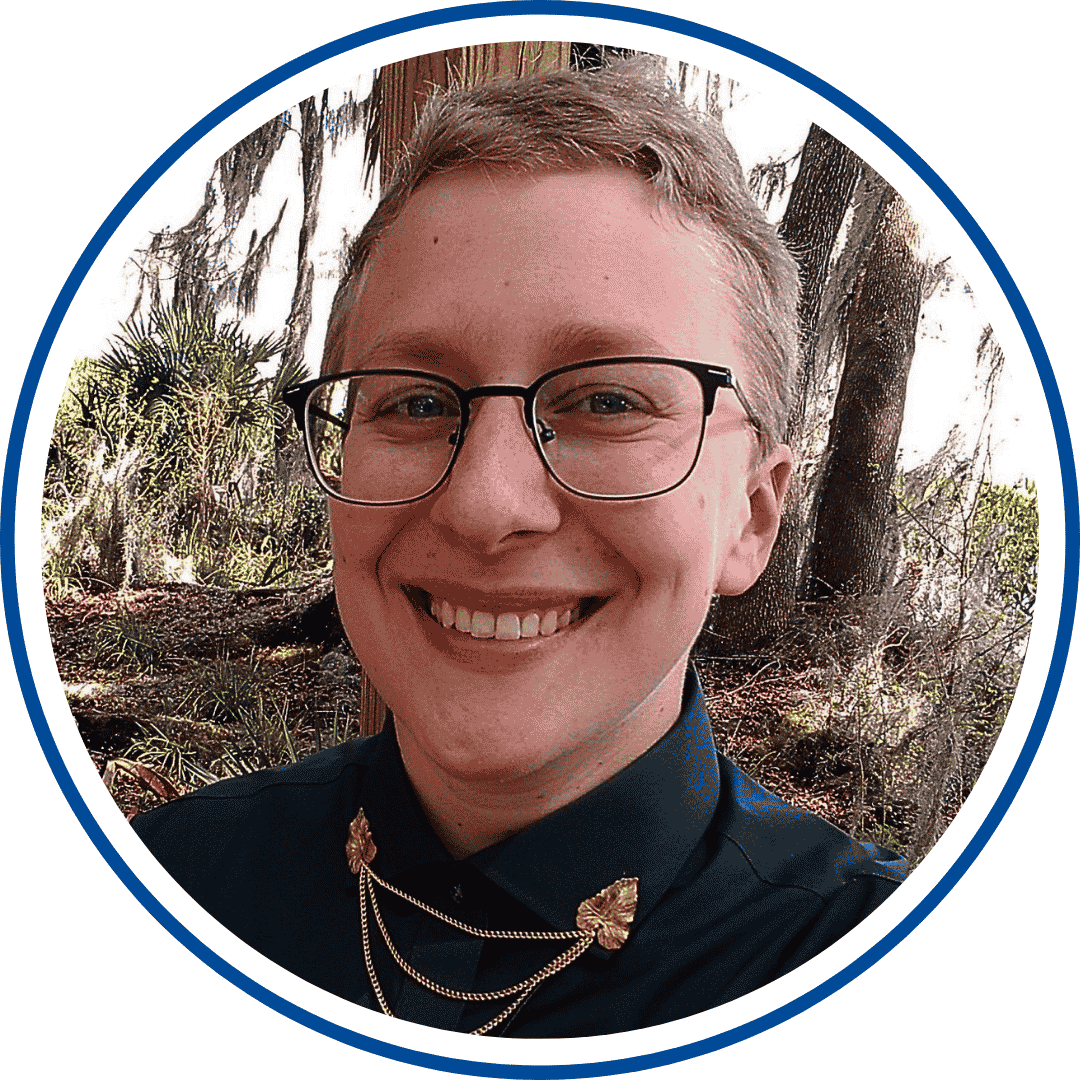
Evangeline Giaconia is the Reference & Processing coordinator at the University of Maryland University Archives. She is passionate about creating just and transformative cultural heritage institutions. Her research focuses on reparative accessioning, Indigenous archival ethics, and queer archiving. Her work has been published in Serial Librarian, Unbound: A Journal of Digital Scholarship, and in Disappearing Queers: A Survey of Queer Material Accessibility in Mainstream Archives by Litwin Books.
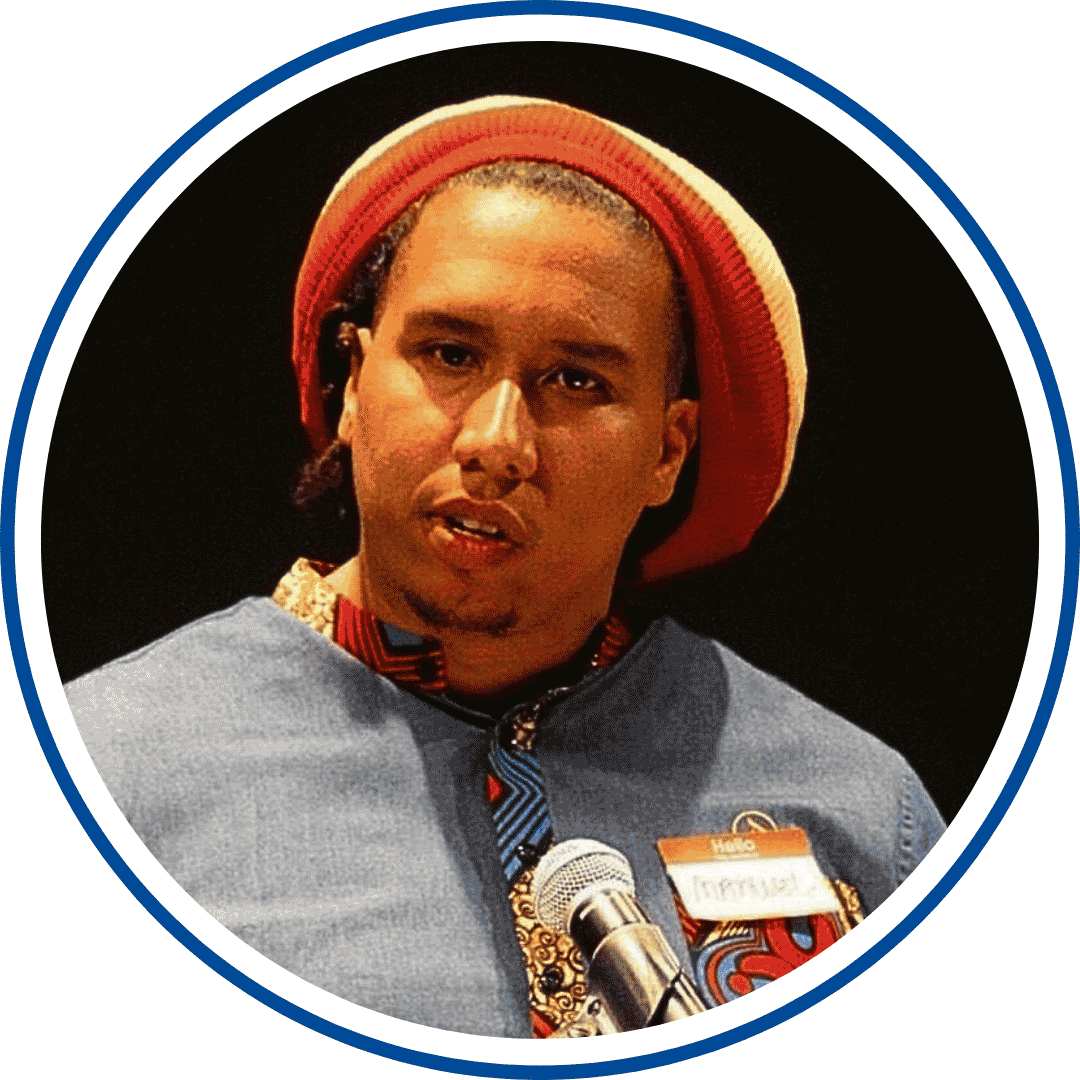
Manuel Duran Mendez is a doctoral student in the College of Information Studies at the University of Maryland, College Park. His scholarship and professional practice critically examine how libraries and archives function as epistemic institutions that shape historical knowledge and mediate racialized narratives. Grounded in community-engaged and reparative frameworks, his work advances recordkeeping approaches that center Black and Afro-Latino epistemologies and community authority over memory. His research is informed by over a decade of practice as a bilingual professional with the District of Columbia Public Library. In this role, his library work in programming, outreach, and exhibition planning directly critiques institutional neutrality, advancing a vision of librarianship as active cultural stewardship and social engagement.
"We Want to Free DC From Our Enemies": Teaching about DC Home Rule
(Offered in both workshop rounds.)
SUBJECTS: History
GRADE LEVELS: Middle School, High School, Adult Education
D.C. Home Rule had been in effect for half a century. While decades old, many folks in D.C. and beyond didn't have much working knowledge of it, nor did they know how to talk to and teach others about it. With Home Rule being routinely threatened, it was incumbent upon all to know how to teach about Home Rule's history and implications. Participants in the workshop familiarized themselves with, and received free digital access to, the DC Home Rule curriculum developed by the DC History Center.
Presenter Bio
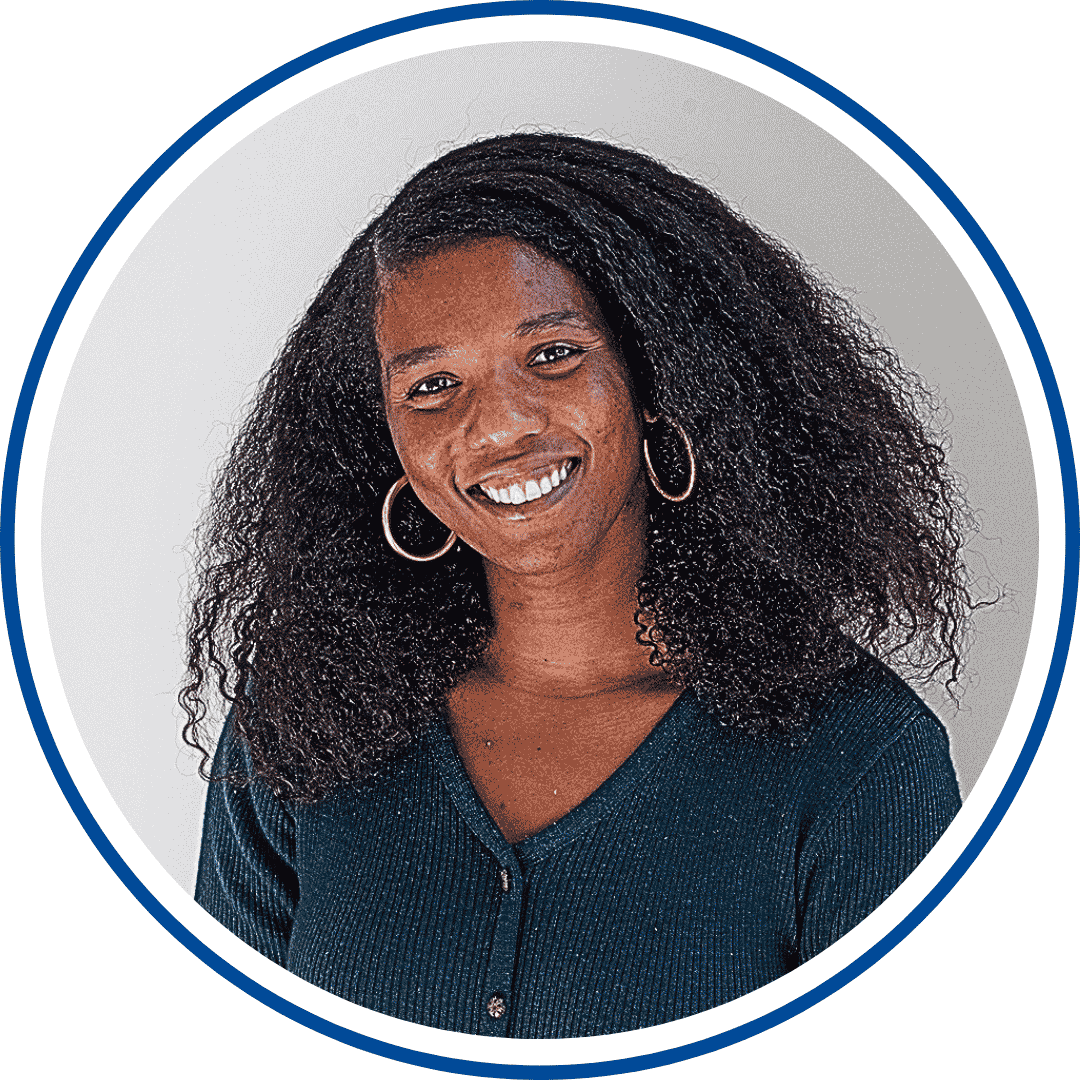
Vanessa Williams is the manager of education at DC History Center, where she practices public history via interpreting local DC history with the K-12 audience. Williams previously served as program manager for DC Area Educators for Social Justice, a project of Teaching for Change. Before moving into program managerial work, Williams taught secondary social studies for a decade. She has been featured on panels for the Mid-Atlantic Equity Consortium. She’s also been a guest on the EmpowerEd Educator Wellness Revolution and Anti-Racist table podcasts. Her writing is published in Washington History magazine, Rethinking Schools and Education Post. Williams has also served as a fellow for Oral History Summer School.
Who Gets Access? Who Pays the Price? AI, Disability Justice, and Data Centers
SUBJECTS: English Language Arts, History, Science, Mathematics, Arts Education, Other
GRADE LEVELS: Middle School, High School, Adult Education
This interactive workshop examined artificial intelligence through disability justice and environmental justice lenses, drawing on the facilitator's experience as a dyslexic educator and special education teacher to explore how AI could support disabled learners while acknowledging the environmental and community harms tied to data centers. Participants began by choosing a seat reflecting their position on AI — supportive, curious, neutral, or concerned — then broke into mixed-perspective small groups to share their experiences and identify areas of agreement, unresolved tensions, and practical ways to reduce harm while preserving meaningful access for disabled learners. The session also included the real story of a student who used AI as an accessibility support while returning to school and entering college, examining the difference between AI that supports a learner's thinking and AI that replaces it, and participants left with a justice-centered framework for discussing AI, questions for evaluating school policies, and actionable strategies to support disabled learners while demanding greater environmental and corporate accountability.
Presenter Bio
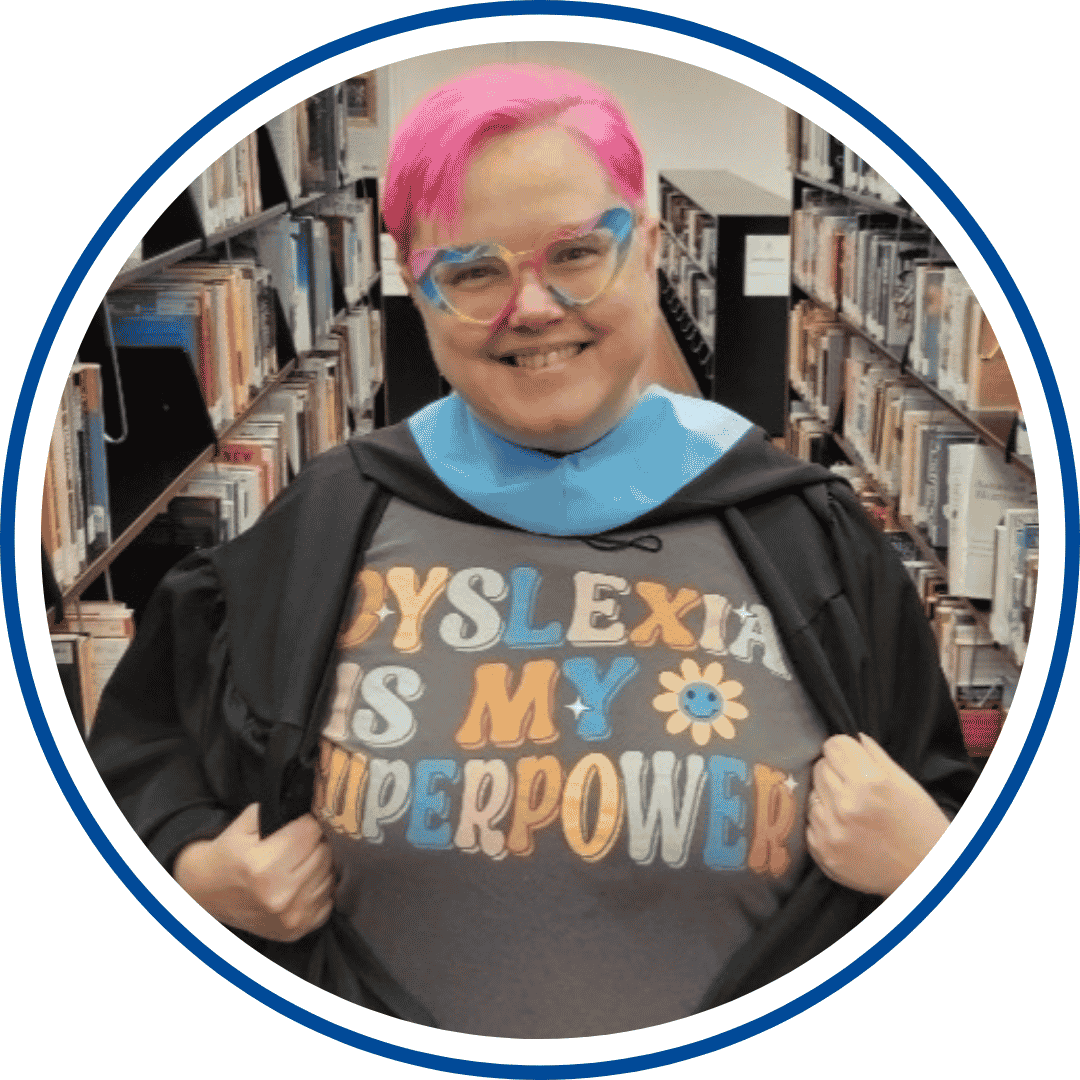
Kimberly Kelley (she/her) is a humanities and mathematics educator at the Goodwill Excel Center, an adult public charter high school in Washington, D.C. A special educator by training, she teaches adult learners with a wide range of disabilities, literacy needs, and educational experiences. As a dyslexic educator, Kim brings both personal and professional insight into the ways technology can reduce barriers and help disabled learners communicate their knowledge more fully. Her work centers joy, accessibility, student dignity, and educational equity. She has presented professional development on joyful and liberatory teaching, cross-curricular instruction, identity, and inclusive classroom practices at local and national conferences.
Thank You to Publishers
Thank you to our partner publishing companies for donating social justice themed books for event participants. Publishers who donated books include: Beacon Press, Candlewick, Groundwood Books, HarperCollins, Haymarket Books, Lee & Low, Levine Querido, MacMillan, Random House, Simon & Schuster, The New Press, Viking Books for Young Readers, and more.
Tabling Exhibit

Participants had the opportunity to network with D.C. area education organizations at exhibit tables.
We also shared Teaching for Change projects’ resources from D.C. Area Educators for Social Justice, Social Justice Books, and the Zinn Education Project.